
This page is about the rail track diagram maps from Seoul to Gangnueung via Pyeongchang.
このページではソウルから西原州(セウォンジュ) 平昌(ピョンチャン)経由 江陵(ガンヌン)までのKTX江陵線の線路地図(配線図)を紹介します。
referrence: tabitabi Asia たびたびアジア(Japanese 日本語) https://tabitabi-asia.com/
Viewed Page(該当ページ) Korail Timetable 韓国鉄道時刻表(Japanese 日本語)https://korea.tabitabi-asia.com/

The KTX Gangneung Line is a semi-high-speed rail line in South Korea that opened in December 2017 in time for the 2018 Pyeongchang Winter Olympics. This line connects from Seoul east to Gangneung, a city on the Donghae coast, via the Jungang Line and the Gyeonggang Line.

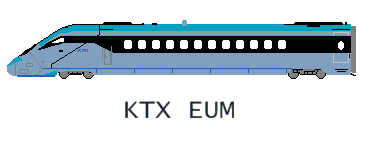
When it first opened, trains ran from Incheon International Airport to transport the Olympic Games, but now trains depart from Seoul Station or Cheongnyangni Station, the terminal on the east side of Seoul. In addition, when it first opened, the KTX Sancheon train consisted of electric locomotives at both ends, but from 2021, the KTX EUM, the electric multiple unit with a motor mounted under the floor, has been used.
KTX江陵線は、2018年の平昌冬季オリンピック開催に合わせて2017年12月に開業した韓国の準高速鉄道路線です。この路線はソウルから東へ中央線、京江線経由で東海側の都市 江陵までを結びます。
開業当初はオリンピック輸送のため仁川国際空港から列車が走りましたが、現在ではソウル駅もしくはソウル市内の東側のターミナル である清涼里駅から列車は出発します。また、開業当初はKTX山川(サンチョン)という列車編成の両端が電気機関車で構成される車両でしたが、2021年からは床下にモーターを積んだ電車方式のKTX EUM(エウム)が使用されています。

Some trains on the KTX Gangneung Line depart from Seoul Station or Hungshin Station on the Gyeonggi Line (where the KTX depot is located). After leaving Seoul Station, the train overpasses the Gyeongbu Line rail tracks just before reaching Yongsan Station and merge with the Gyeonggi/Jungong Line tracks of the Metropolitan Area Electric Railway. This overpass section is a single track, which limits the number of trains departing from Seoul Station.

Most KTX Gangneung Line trains depart from Cheongnyangni Station, a terminal station on the east side of Seoul. The relationship between Seoul Station and Cheongnyangni Station is similar to Penn Station and Grand Central Station in New York, or Tokyo Station and Ueno Station in Tokyo. It is the starting station for trains to northeastern and eastern Korea.
KTX江陵線の列車はソウル駅もしくは京義線の幸信駅(KTXの車庫がある)を始発とする列車もあります。ソウル駅を出ると龍山駅手前で京釜線の線路をオーバーパスし、首都圏電鉄の京義・中央線の線路に合流します。このオーバーパスをする区間が単線になっていて、ソウル駅始発の列車本数が制約されています。
KTX江陵線の列車のほとんどはソウル市内の東側のターミナル駅 清涼里駅を発着します。ソウル駅と清涼里駅の関係は、ニューヨークでいうとペン駅とグランドセントラル駅、東京でいうと東京駅と上野駅のような関係性で、清涼里駅からは中央線や京春線など、韓国北東部や東部への列車の始発駅となっています。

When the train departs from Cheongnyangni, the Gyeongwon Line tracks branch off to the left. The Gyeongwon Line has direct access to Seoul Subway Line 1, and from Seoul Station, it also has direct access to the Gyeongbu Line and Gyeongin Line. Commuter trains on the Gyeongwon Line have 10 cars, while commuter trains on the  Jungang Line have 8 cars.

From Cheongnyangni Station, trains run on the Jungang Line. Some Geongchun Line trains also run from Cheongnyangni Station to Sangbong Station, so there are many trains on this section, creating a bottleneck. Furthermore, since the Jungang Line and Geongchun Line intersect at level at Sangbong Station, it is not possible to increase the number of trains that run directly to Cheongnyangni on theGeongchun Line, and most trains on the Geongchun Line reverse at Sangbong Station. Additionally, the KTX station in Sangbong has an interesting structure, sandwiched between Sangbong and Mangu stations on the Metropolitan Area Electric Railway.
清涼里駅を出ると、進行方向左手に京元線の線路が分岐します。京元はソウル地下鉄の1号線と直通運転をしていて、さらにソウル駅から京釜線や京仁線に直通します。京元線の通勤電車は10両編成ですが、中央線の通勤電車は8両編成です。
清涼里駅からは列車は中央線を走ります。上鳳駅までは一部の京春線の電車も走るため本数が多く、ボトルネックとなっています。なお、中央線と京春線は上鳳駅で平面交差しているために京春線の清涼里駅まで直通する電車の本数は増やすことができず、京春線のほとんどの電車は上鳳駅で折り返します。また、上鳳のKTXの駅は、首都圏電鉄の上鳳駅と忘憂駅の間に挟まれた面白い構造となっています。

The Jungang Line was originally a single-track line with many curves, but in recent years it has been switched to a high-upgraded double-rail-track line consisting of elevated tracks, tunnels, allowing trains to run at high speeds. In addition to KTX, this line also runs ITX Saemaul, a limited express train with a maximum speed of 150km/h, metro trains of the Metropolitan Area Electric Railway, and freight trains, and each train has its own speed difference, so there are many stations with siding tracks.
中央線の線路はもともと単線で曲線が多く存在しましたが、近年高架と掘割とトンネルで構成された高規格な複線の線路に切り替えられ、列車は高速運転を行うことができます。この路線にはKTXの他に最高速度150km/hの特急列車であるITXセマウル号や首都圏電鉄のメトロの電車、そして貨物列車も走る路線となっていて、それぞれの列車に速度差があることから待避線のある駅が多く設けられています。

Metropolitan Electric Railway's metro trains terminate at Jipyeong Station, from which long-distance passenger trains and freight trains such as KTX, ITX Saemaul, and Mugunghwa run on the Jungang Line. KTX trains run at a maximum speed of 200km/h on the Jungang Line. Seowonju Station on the Jungang Line is a junction station with the Gyeonggang Line, and the KTX Gangneung Line enters the Gyeonggang Line at Seowonju Station. In the future, the Gyeonggang Line is scheduled to be extended from Seowonju to Seongnam, Gwangmyeong, Siheung, and Wolguk in the southern part of the Seoul metropolitan area, and when this is completed, it will be extended from Seowonju to the Seoul metropolitan area, along with the Jungang Line route to Cheongnyangni, there will be two routes to the area.

Only KTX trains run on the Gyeonggang Line. The maximum speed is currently 230 km/h, and the train is unique in that it uses a safety system that uses general railway signals instead of the internal signals that are common on high-speed trains.
首都圏電鉄のメトロの電車は砥平駅が終点で、そこから先はKTX、ITXセマウル号、ムグンファ号の長距離旅客列車と貨物列車が走ります。中央線内ではKTXの列車は最高速度200km/hで走行します。中央線の西原州駅は京江線とのジャンクション駅になっていて、KTX江陵線は西原州駅から京江線に入ります。京江線は将来西原州からソウル首都圏南部の城南、光明、始興、月串方面へ路線が延長される予定で、これが完成すると中央線の清涼里までのルートと合わせて西原州からソウル首都圏へ2つのルートができることになります。
京江線ではKTXの列車のみが走行します。最高時速は現在230km/hで運行されていて、高速鉄道で一般的な車内信号ではなく一般的な鉄道信号を使用した保安装置を使用していることが特徴です。

At the time of the train's opening, trains passing through stations on the Gyeonggang Line passed through the platforms at a maximum speed of 230 km/h without safety fences, but now safety fences have been installed. As a side note, other trains that pass at high speed on platforms without safety fences include the Uzbekistan High Speed Railway (250km/h) and the Acela Express (240km/h) in the US.
After passing the Nam Gangneung signal station, the line becomes a single track and branches into two lines: one for Gangneung, and the other for the Yeongdong Line towards Donghae. The train bound for Gangneung enters a tunnel in Gangneung City and ends at Gangneung Station. Additionally, some KTX trains also run to Donghae on the Yeongdong Line. KTX trains travel from Seoul Cheongnyangni Station to Gangneung Station in about an hour and a half.
Gangneung is a port town facing the East Sea with a population of 211,381 (as of 2023), and there is a beach on the coast. It is also a region with thriving primary industries such as rice farming and forestry.
京江線の各駅を通過する列車は開業当初は安全柵のない状態で最高速度230km/hでホームを通過していましたが、現在では安全柵が設けられています。余談ですが、安全柵のないホームを高速で通過する列車としては他にウズベキスタン高速鉄道(250km/h)、米国のアセラエクスプレス(240km/h)などが挙げられます。
南江陵の信号場を過ぎると単線になり、江陵方面への線路と、嶺東線の東海方面への線路に分岐します。江陵行きの列車は江陵市内でトンネルに入り、終点の江陵駅に至ります。また、KTXの列車の中には嶺東線の東海へ向かう列車も存在します。KTXの列車はソウル清涼里駅から江陵駅まで約1時間半で走破します。
江陵は東海に面した人口211,381人(2023年)の港町で、海岸にはビーチがあります。また、米農業や林業など第1次産業の盛んな地域でもあります。
To see the other rail track diagram maps in Korea, click or tap here. 他の韓国の線路地図(配線図)はこちら。
Leave a Reply