
This page is about railway track diagrams (wiring maps) of the JR Osaka Loop Line in Osaka, Japan.
JR大阪環状線のルートマップです。
Esta página trata sobre mapas de rutas ferroviarias de la línea JR Osaka Loop en Osaka, Japón.
這是 日本大阪 JR大阪環狀線 的 路線圖。
| How to navigate Osaka’s complex railway lines 複雑な大阪の鉄道路線の乗りこなし方 Cómo navegar por las complejas líneas ferroviarias de Osaka 如何駕馭大阪複雜的鐵路線 Let’s distinguish between the 4 different types of railways; Shinkansen, JR, private railways, and subways 新幹線、JR、私鉄、地下鉄の4種類の異なる鉄道を区別しよう Distingamos entre los 4 tipos diferentes de ferrocarriles; Shinkansen, JR, ferrocarriles privados y metros 讓我們區分一下 4種不同類型的鐵路;新幹線、JR、私鐵、地鐵 Let’s understand that there are two areas in Osaka, “Kita” & “Minami” 大阪には「キタ」と「ミナミ」の2つの地区があることを理解しよう Entendamos que hay dos áreas en Osaka, “Kita” y “Minami” 讓我們了解 大阪 有 兩個地區,“北” 和 “南” The JR Osaka Loop Line is a little more complicated. So, let’s use the orange-coloured train at first. JR大阪環状線はちょっと複雑。なのでまずはオレンジ色の電車に乗ろう。 La línea JR Osaka Loop es un poco más complicada. Entonces, primero usemos el tren de color naranja. JR大阪環狀線 稍微複雜一點。我們首先 使用 橙色的火車。 The Limited express trains running on the Osaka Loop Line 大阪環状線を走る特急列車 Los trenes expresos limitados que circulan por la línea Osaka Loop 大阪環狀線運行的 特急火車 |


How to navigate Osaka’s complex railway lines
複雑な大阪の鉄道路線の乗りこなし方
Cómo navegar por las complejas líneas ferroviarias de Osaka
如何駕馭大阪複雜的鐵路線
Osaka's railways have so many lines that it is difficult to navigate, which is a problem that bothers many visitors, including Japanese people. On this page, I will suggest some ways to solve such problems. I'm sure there are many different ways of looking at things, and I hope this helps you when you go to Osaka.

 大阪の鉄道は路線が多すぎて難しい、というのは日本人を含め多くの訪問者を悩ませる問題です。このページでは、そんな悩みを少しでも解決できるようにいくつかの方法を提案します。色々なものの見方があるかと思いますが、大阪へお出かけの際にお役に立てていただけたら幸いです。

Los ferrocarriles de Osaka tienen tantas líneas que es difícil navegar, lo cual es un problema que molesta a muchos visitantes, incluidos los japoneses. En esta página, sugeriré algunas formas de resolver estos problemas. Estoy seguro de que hay muchas maneras diferentes de ver las cosas y espero que esto te ayude cuando vayas a Osaka.

 大阪的鐵路線太多,導航困難,這是困擾包括日本人在內的許多遊客的問題。在此頁面上,我將建議一些解決此類問題的方法。我確信看待事物的方式有很多不同,我希望這對 您去 大阪時 有所幫助。
Let’s distinguish between the 4 different types of railways; Shinkansen, JR, private railways, and metro lines
新幹線、JR、私鉄、地下鉄の4種類の異なる鉄道を区別しよう
Distingamos entre los 4 tipos diferentes de ferrocarriles; Shinkansen, JR, ferrocarriles privados y metros
讓我們區分一下 4種不同類型的鐵路;新幹線、JR、私鐵、地鐵
Osaka has the Shinkansen (high-speed railway), the JR lines of the former Japanese National Railways, private railway lines, and metro lines. Osaka's complex railway lines become a little easier to understand by distinguishing between the 4 different types of railways.

 大阪には高速鉄道の新幹線、旧国鉄のJR線、私鉄線、地下鉄線があります。これらの異なる4つの種類の鉄道を区別して考えると、複雑な大阪の鉄道路線が少しわかりやすくなります。

Osaka cuenta con el Shinkansen (tren de alta velocidad), las líneas JR de los antiguos Ferrocarriles Nacionales de Japón, líneas ferroviarias privadas y líneas de metro. Las complejas líneas ferroviarias de Osaka se vuelven un poco más fáciles de entender al distinguir entre los 4 tipos diferentes de vías férreas.

 大阪擁有 新幹線(高速鐵路)、原 日本國鐵的 JR線、私人鐵路線 和 地鐵線。透過區分 4 種不同類型的鐵路,大阪複雜的鐵路線變得更容易理解。

The Shinkansen is the long-distance, high-speed train. In Osaka, the Tokaido/Sanyo Shinkansen departs from Shin-Osaka Station. The Tokaido/Sanyo Shinkansen is a line that connects Tokyo and Hakata(Fukuoka, the busiest city in Kyushu island) via Osaka, and some trains run directly from Tokyo to Hakata. Regarding the Shinkansen, beginners should be fine as long as they are aware that Shin-Osaka Station is a different station from Osaka Station and is located in the north of Osaka.

 新幹線は長距離の高速列車です。大阪では東海道・山陽新幹線が新大阪駅を発着します。東海道・山陽新幹線は東京と博多を大阪経由で結ぶ路線で、一部の列車は東京から博多まで直通運行が行われています。新幹線に関して、初心者は新大阪駅は大阪駅とは異なる駅で、大阪の北に位置していることを認識していれば大丈夫です。

El Shinkansen es el tren de alta velocidad y larga distancia. En Osaka, el Tokaido/Sanyo Shinkansen sale de la estación Shin-Osaka. El Tokaido/Sanyo Shinkansen es una línea que conecta Tokio y Hakata (Fukuoka, la ciudad más concurrida de la isla de Kyushu) a través de Osaka, y algunos trenes van directamente desde Tokio a Hakata. En cuanto al Shinkansen, los principiantes deberían estar bien siempre que sepan que la estación Shin-Osaka es una estación diferente a la estación de Osaka y está ubicada en el norte de Osaka.

 新幹線 是 長途高速列車。在大阪,東海道/山陽新幹線 從 新大阪站出發。東海道/山陽新幹線 是 經大阪 連接 東京 和 博多(福岡,九州島最繁忙的城市)的線路,有些列車 從 東京 直達 博多。關於新幹線,初學者 只要知道 新大阪站 與 大阪站不同,位於大阪北部,應該沒問題。


The JR Lines are former National Railways lines(JNR), and currently the JR Lines in Osaka are operated by a company called JR West, which was split off and privatized from the National Railways.

 JR線は旧国鉄の路線で、現在東京におけるJR線は国鉄から分割民営化されたJR西日本という会社が運営しています。

Las Líneas JR son antiguas líneas de Ferrocarriles Nacionales (JNR), y actualmente las Líneas JR en Osaka son operadas por una empresa llamada JR Oeste, que se separó y privatizó de Ferrocarriles Nacionales.

 JR 線 的前身 是 國鐵線(JNR),目前大阪的 JR 線 由 名為 JR西日本公司(西日本旅客鐵道株式會社) 經營,該公司 是 從 國鐵中分離出來並私有化的。


Private railways(Shitetsu) are railway lines operated by private companies, and 5 major railway companies have routes in Osaka clockwise from the west: Hanshin, Hankyu, Keihan, Kintetsu and Nankai. Many other companies operate railway lines. Most of the private railways in the Osaka-Kansai region run parallel to JR trains, and the competition between railway companies is known to be fiercer than in Tokyo. To ride the Kintetsu and Nankai limited express trains, you will need a limited express ticket in addition to your ticket (with some exceptions for Nankai), but on other railways, you can basically ride the limited express train with just a ticket. .

 私鉄は民間企業により運営されている鉄道路線で、大阪には西側から時計まわりに阪神、阪急、京阪、近鉄、南海の5つの大手鉄道会社が路線を有しています。その他にも多くの会社が鉄道路線を経営しています。大阪関西圏の私鉄はJRと並行している路線がほとんどで、東京に比べて鉄道会社同士の競合が激しいことで有名です。近鉄と南海の特急電車に乗車の際には乗車券の他に特急券が必要(南海には一部例外あり)ですが、その他の鉄道では基本的に乗車券のみで特急電車に乗車できます。

Los ferrocarriles privados (Shitetsu) son líneas ferroviarias operadas por empresas privadas, y 5 importantes compañías ferroviarias tienen rutas en Osaka en el sentido de las agujas del reloj desde el oeste: Hanshin, Hankyu, Keihan, Kintetsu y Nankai. Muchas otras empresas explotan líneas ferroviarias. La mayoría de los ferrocarriles privados de la región de Kansai circulan en paralelo a los trenes JR, y se sabe que la competencia entre compañías ferroviarias es más feroz que en Tokio. Para viajar en los trenes expresos limitados Kintetsu y Nankai, necesitarás un billete expreso limitado además de tu billete (con algunas excepciones para Nankai), pero en otros ferrocarriles, básicamente puedes viajar en el tren expreso limitado con solo un billete.

 私鐵(Shitetsu)是由 私人公司營運的鐵路線,五家主要鐵路公司 在 大阪 從 西部順時針方向都有路線:阪神、阪急、京阪、近鐵 和 南海。許多其他公司經營鐵路線。大阪關西地區的 大多數私人鐵路 與 JR 線 平行運行,鐵路公司之間的競爭 比東京 更加激烈。搭乘近鐵、南海特急火車時,除了車票外,還需要 特急車票(南海電鐵 有 例外),但在其他鐵路上,基本上只需一張車票即可 搭乘 特急火車。

Osaka's subway system is operated by a company called Osaka Metro. The Sakaisuji Line, which operates directly with the private railway Hankyu Railway Kyoto Line, uses an overhead electrification system that uses pantographs, but other lines use the third rail system, which draws electricity from the side tracks. Osaka Metro has eight lines, but beginners should memorize the red-coloured Midosuji Line. This line stops all the major stations in Osaka City, including Shin-Osaka Station, Osaka Station, Namba Station, and Tennoji Station, so there are many users, and it is operated by a 10-car train.

 大阪の地下鉄は大阪メトロという会社により運営されています。私鉄の阪急京都線と直通運転している堺筋線はパンタグラフを使用する架空電化方式ですが、その他の路線は横の線路から電気を取り込むサードレール方式を採用しています。大阪メトロには8つの路線がありますが、初心者は赤色の御堂筋線を覚えておくと安心です。この路線は新大阪駅、大阪駅、難波駅、天王寺駅等の大阪市内の全ての主要駅を経由するため利用者が多く、10両編成の電車で運行されています。

El sistema de metro de Osaka está operado por una empresa llamada Osaka Metro. La línea Sakaisuji, que opera directamente con el ferrocarril privado Hankyu Railway Kyoto Line, utiliza un sistema de electrificación aérea que utiliza pantógrafos, pero otras líneas utilizan el sistema de tercer carril, que extrae electricidad de las vías laterales. El metro de Osaka tiene ocho líneas, pero los principiantes deben memorizar la línea Midosuji, de color rojo. Esta línea para en todas las estaciones principales de la ciudad de Osaka, incluidas la estación Shin-Osaka, la estación Osaka, la estación Namba y la estación Tennoji, por lo que hay muchos usuarios y es operada por un tren de 10 vagones.

 大阪的地鐵系統 由 大阪地鐵公司(Osaka Metro)營運。與私營鐵路 阪急電鐵 京都線 直接運營的 堺筋線 使用受電弓的架空電氣化系統,但其他線路使用第三軌系統,從側軌獲取電力。大阪地鐵 有 八條線路,但初學者應該記住紅色的御堂筋線。線停靠 新大阪站、大阪站、難波站、天王寺站 等 大阪市內所有主要車站,因此用戶較多,由10輛編組電車運行。


In the next section, I will focus on the JR Line, which is operated by JR West, out of the four types of railways.
 この後の項目では4種類の鉄道うち、JR西日本が運営するJR線に焦点を充てて説明します。
En la siguiente sección, me centraré en la Línea JR, operada por JR Oeste, de los cuatro tipos de ferrocarriles.
 在下一節中,我將重點介紹四種鐵路中由  JR西日本 營運的 JR 線。
Let’s understand that there are two areas in Osaka, “Kita” & “Minami”
大阪には「キタ」と「ミナミ」の2つの地区があることを理解しよう
Entendamos que hay dos áreas en Osaka, "Kita" y "Minami".
讓我們了解 大阪 有 兩個地區,“北” 和 “南”
I think everyone who is interested in Osaka has a place they want to go to. In addition to knowing where you want to go, understanding the JR Osaka Loop Line and the location of two districts in Osaka will make it easier to understand where you are. The two districts are "Kita", which is centered around Umeda, and "Minami", which is centered around Namba.
Those visiting from Shinkansen, Osaka Itami Airport, Kyoto, and Kobe will basically start from Kita, while those coming from Kansai International Airport, the ancient capital of Nara (from the east of Osaka), and Wakayama (from the south) will basically start from Minami to enter Osaka city.
大阪に興味のある方は、各々行きたい場所があると思います。行きたい場所に加えてJR大阪環状線と、大阪にある2つの地区の位置を理解することで、今自分自身がどの位置にいるのか把握しやすくなります。2つの地区とは、梅田を中心とする「キタ」と、難波を中心とする「ミナミ」です。
新幹線や大阪伊丹空港、京都や神戸から訪問するかたは基本的に「キタ」から、関西国際空港や大阪の東にある古都の奈良、南にある和歌山から訪問するかたは基本的に「ミナミ」から大阪市内に入ることになります。
Creo que todos los que estén interesados en Osaka tienen un lugar al que quieren ir. Además de saber a dónde quieres ir, comprender la línea JR Osaka Loop y la ubicación de dos distritos en Osaka hará que sea más fácil entender dónde te encuentras. Los dos distritos son "Kita", que se centra alrededor de Umeda, y "Minami", que se centra alrededor de Namba.
Aquellos que visiten Shinkansen, el aeropuerto de Osaka Itami, Kioto y Kobe comenzarán básicamente desde Kita, mientras que los que lleguen desde el aeropuerto internacional de Kansai, la antigua capital de Nara (desde el este de Osaka) y Wakayama (desde el sur) comenzarán básicamente desde Minami para ingresar a la ciudad de Osaka.
我想每個對大阪有興趣的人都有一個想去的地方。除了知道自己想去哪裡之外,了解JR大阪環狀線以及大阪兩個地區的位置也會更容易了解自己所在的位置。這兩個地區是以梅田為中心的「北」和以難波為中心的「南」。
從新幹線、大阪伊丹機場、京都、神戶出發的旅客 基本 從「北」,而從關西國際機場、古都奈良(大阪以東)、和歌山(大阪以南)出發的旅客 則 基本 從「南」 進入 大阪市內。
"Kita" of Osaka 大阪の「キタ」大阪的「北」
Osaka Station (Umeda Station) 大阪駅(梅田駅)
"Kita(North)" in Osaka refers in a narrow sense to the area around Osaka Station. The area around Osaka Station is called Umeda, and all lines other than JR lines call their station "Umeda Station". The private railways, Hankyu Railway and Hanshin Railway, also depart from and arrive at Umeda Station, and in recent years the station name has been changed from Umeda Station to "Osaka Umeda" Station to make it easier for users to understand that Umeda Station is located at the same location as Osaka Station. Osaka Station is also the terminal station with the largest number of passengers in the Osaka Kansai area.
JR Osaka Station is served by the JR Tokaido Main Line (JR Kyoto Line and JR Kobe Line) and the JR Osaka Loop Line. The JR Hanwa Line's Kanku(Kansai Airport)/Kishu-ji Rapid from the Kansai Airport/Wakayama area, and the JR Yamato-ji Line (JR Kansai Main Line) Yamato-ji Rapid from the Nara area also enter the JR Osaka Loop Line from Tennoji Station and come to this Osaka Station.
大阪の「キタ」は、狭い意味では大阪駅周辺の地区を意味します。大阪駅周辺は梅田という地名で、JR線以外の路線は駅名を梅田駅と名乗っています。私鉄の阪急電車と阪神電車も梅田駅を発着しており、これらの鉄道では梅田駅が大阪駅と同じ場所にあることを利用者にわかりやすく示すため、近年駅名が梅田駅から大阪梅田駅へと改称されました。大阪駅は大阪関西圏で最大の乗降客数を誇るターミナル駅でもあります。
JRの大阪駅はJR東海道本線(JR京都線とJR神戸線)、JR大阪環状線が発着します。関西空港・和歌山方面からのJR阪和線の関空・紀州路快速と、奈良方面からのJR大和路線(JR関西本線)の大和路快速も天王寺駅からJR大阪環状線に入り、この大阪駅に乗り入れます。
"Kita (Norte)" en Osaka se refiere en sentido estricto al área alrededor de la estación de Osaka. El área alrededor de la estación de Osaka se llama Umeda, y todas las líneas, excepto las líneas JR, llaman a su estación "Estación Umeda". Los ferrocarriles privados, Hankyu Railway y Hanshin Railway, también salen y llegan a la estación de Umeda, y en los últimos años el nombre de la estación se ha cambiado de Estación de Umeda a Estación "Osaka Umeda" para que los usuarios entiendan más fácilmente que la Estación de Umeda es Ubicado en el mismo lugar que la estación de Osaka. La estación de Osaka es también la estación terminal con mayor número de pasajeros en el área de Osaka Kansai.
La estación JR Osaka cuenta con la línea principal JR Tokaido (línea JR Kyoto y línea JR Kobe) y la línea JR Osaka Loop. El Kanku (aeropuerto de Kansai)/Kishu-ji Rapid de la línea JR Hanwa desde el área del aeropuerto de Kansai/Wakayama, y el rápido Yamato-ji de la línea JR Yamato-ji (línea principal de JR Kansai) desde el área de Nara también ingresan a la línea JR Osaka Loop. desde la estación Tennoji y venga a esta estación de Osaka.
大阪的「北」是 狹義的指 大阪站週邊地區。大阪站週邊被稱為“梅田”,JR線以外的所有路線都將其車站稱為“梅田站”。私人鐵路 阪急電車 和 阪神電車 也以 梅田站 為出發點和到達地,近年來,為了讓用戶更容易理解 梅田站 是 大阪站 同一地點,站名也 從 梅田站 改為「大阪梅田」站。大阪站 也是 大阪關西地區 旅客量最多的終點站。
JR大阪站 有 JR 東海道本線(JR 京都線和 JR 神戶線)和 JR大阪環狀線服務。從 關西機場、和歌山地區出發的 JR 阪和線 的 關空(關西機場)/紀州路快速、從 奈良地區出發的 JR 大和路線(JR 關西本線)大和路快速 也進入 JR 大阪環狀線 從 天王寺站 出發,來 到 大阪站。
Osaka Station (JR underground platform) 大阪駅(JRの地下ホーム)
Osaka's underground platform is located on the site of the former Kita(North)-Umeda Station, a freight terminal.
JR Hanwa Line limited express trains "Haruka" and "Kuroshio" from Kansai Airport and Wakayama prefecture depart from this underground platform. These trains run from Osaka to Shin-Osaka Station. Some trains enter the JR Kyoto Line from Shin-Osaka Station and go all the way to Kyoto Station.
Another train line called JR Osaka Higashi(East) Line departs from this platform. The JR Osaka Higashi Line is a line that runs through the eastern suburbs of Osaka City from Osaka Station via Shin-Osaka Station, and connects to Kyuhoji Station, which is a transfer station for the JR Yamato-ji Line. During morning and evening rush hours, trains connect Nara and Osaka via the JR Osaka Higashi Line.
Although they do not stop at this station, JR freight trains that depart from and arrive at a freight terminal called Aji-kawaguchi Station also pass through this station. On this route, a push-pull higher-speed freight train called "Super Rail Cargo'' runs between Tokyo and Aji-kawaguchi Station.
Currently, an underground line called the Naniwasuji Line connecting JR Namba Station to this underground platform is under construction, and when the Naniwasuji Line opens, limited express trains "Haruka'' and "Kuroshio'' will be routed via the Naniwasuji Line.
It is connected to Osaka Station on the ground level by a passage inside the ticket gate, so users with JR tickets that cannot get off midway must be careful not to accidentally leave the ticket gate when changing trains.
大阪の地下ホームは、旧北梅田駅という貨物ターミナルの跡地にある駅です。
関西空港・和歌山方面からのJR阪和線の特急列車「はるか」「くろしお」はこの地下ホームを発着します。これらの列車は大阪から先、新大阪駅まで乗り入れます。一部の列車は新大阪駅からJR京都線に入り、京都駅まで行きます。
このホームには他にJRおおさか東線という路線の電車が発着します。JRおおさか東線は大阪駅から新大阪駅を経由して大阪市の東側の郊外を走る路線で、JR大和路線との乗換駅である久宝寺駅までを結びます。朝夕のラッシュ時間帯には、奈良と大阪を結ぶ列車がJRおおさか東線経由で運行されています。
その他には、この駅には停車しませんが、安治川口駅という貨物ターミナルを発着するJR貨物の列車もこの駅を通過します。この路線には、「スーパーレールカーゴ」というプッシュプル方式の高速貨物列車が、東京と安治川口駅の間を走行しています。
現在なにわ筋線というJRなんば駅からこの地下ホームまでを結ぶ地下路線が建設中で、なにわ筋線が開業すると特急「はるか」「くろしお」はなにわ筋線経由になる予定です。
地上の大阪駅とは改札内の通路で結ばれており、途中下車のできないJR切符を持つ利用者は乗り換えの際に誤って改札を出てしまわないよう、注意が必要です。
La plataforma subterránea de Osaka está ubicada en el sitio de la antigua estación Kita(Norte)-Umeda, una terminal de carga.
Los trenes expresos limitados de la línea JR Hanwa "Haruka" y "Kuroshio" desde el aeropuerto de Kansai y la prefectura de Wakayama salen de esta plataforma subterránea. Estos trenes van desde Osaka hasta la estación Shin-Osaka. Algunos trenes ingresan a la línea JR Kyoto desde la estación Shin-Osaka y llegan hasta la estación Kyoto.
Otra línea de tren llamada Línea JR Osaka Higashi (Este) sale de esta plataforma. La línea JR Osaka Higashi es una línea que atraviesa los suburbios del este de la ciudad de Osaka desde la estación Osaka a través de la estación Shin-Osaka y conecta con la estación Kyuhoji, que es una estación de transferencia de la línea JR Yamato-ji. Durante las horas pico de la mañana y de la tarde, los trenes conectan Nara y Osaka a través de la línea JR Osaka Higashi.
Aunque no paran en esta estación, por esta estación también pasan los trenes de mercancías JR que parten y llegan a una terminal de mercancías llamada Estación Aji-kawaguchi. En esta ruta, un tren de carga push-pull de alta velocidad llamado "Super Rail Cargo" circula entre Tokio y la estación Aji-kawaguchi.
Actualmente, se está construyendo una línea subterránea llamada Línea Naniwasuji que conecta la estación JR Namba con esta plataforma subterránea, y cuando se abra la Línea Naniwasuji, los trenes expresos limitados "Haruka" y "Kuroshio" pasarán por la Línea Naniwasuji.
Está conectada con la estación de Osaka en la planta baja mediante un pasaje dentro de la puerta de entrada, por lo que los usuarios con billetes JR que no pueden bajarse a mitad de camino deben tener cuidado de no salir accidentalmente de la puerta de entrada al cambiar de tren.
大阪的地下月台 位於 前貨運站 北梅田站 的舊址上。
從 關西機場 和 和歌山縣 出發的 JR阪和線特急火車 “遥” 和 “黒潮” 從 這個地下月台出發。這些列車 從 大阪 開往 新大阪站。部分列車 從 新大阪站 進入 JR 京都線,一路 前往 京都站。
另一條稱為 JR大阪東線的火車 從 這個月台出發。 JR大阪東線 是 從 大阪站 經 新大阪站,貫穿大阪市東郊的線路,與 JR大和路線的換乘站 久宝寺站 相連。在早晚高峰時段,火車通過 JR 大阪東線 連接 奈良 和 大阪。
雖然不在此站停靠,但 從 名為 安治川口站的貨運站 出發 和 到達的 JR 貨運列車 也 經過該站。在這條路線上,一列名為「Super Rail Cargo」的 推拉式高速貨運列車 在 東京 和 安治川口站 之間運行。
目前,連接JR難波站 與該地下月台的地下線路「浪速筋線」正在建設中,浪速筋線開通後,特急火車「遥」、「黑潮」將透過 浪速筋線 運行。
與地面層的 大阪站 通過檢票口內的通道相連,因此 持有無法中途下車的JR車票的乘客 在換乘列車時 一定要小心,不要意外離開檢票口。
Kitashinchi Station (underground station at the south exit of Osaka Station) 北新地駅(大阪駅南口にある地下駅)
Kitashinchi Station is a station on the JR Tozai(East-West) Line, an underground JR line in Osaka City. This line was originally built to make the JR Katamachi Line (Gakkentoshi Line) more convenient, which departed and arrived at Katamachi Station in Osaka City. Currently, trains on the JR Katamachi Line go via the JR Tozai Line, from Amagasaki Station, enter the JR Kobe Line and JR Takarazuka Line. Unlike Kita-Umeda Station, Kitashinchi Station does not have a passageway inside the ticket gate that connects to Osaka Station, and users must first exit the ticket gate to go from this station to Osaka Station.
北新地駅は、大阪市内のJRの地下路線、JR東西線の駅です。この路線はもともと大阪市内の片町駅を発着していたJR片町線(学研都市線)を便利にするために建設された路線で、現在JR片町線の電車がJR東西線経由を経由し、尼崎駅からJR神戸線とJR宝塚線に入ります。北梅田駅とは異なり、北新地駅には改札内で大阪駅につながる通路はなく、この駅から大阪駅に行くには利用者は一旦改札を出ます。
La estación Kitashinchi es una estación de la línea JR Tozai (Este-Oeste), una línea JR de metro en la ciudad de Osaka. Esta línea se construyó originalmente para hacer más conveniente la línea JR Katamachi (línea Gakkentoshi), que partía y llegaba a la estación Katamachi en la ciudad de Osaka. Actualmente, los trenes de la línea JR Katamachi pasan por la línea JR Tozai, desde la estación Amagasaki ingresan a la línea JR Kobe y a la línea JR Takarazuka. A diferencia de la estación Kita-Umeda, la estación Kitashinchi no tiene un pasillo dentro de la puerta de entrada que conecte con la estación de Osaka, y los usuarios primero deben salir de la puerta de entrada para ir de esta estación a la estación de Osaka.
北新地站 是 大阪市地下JR線 JR東西線的一個車站。這條路線 原本 是 為了讓JR片町線(學研都市線), 出發和到達的地點都 是 大阪市內的 片町站, 更加便利而建造的。目前,JR片町線的電車 經過 JR東西線,從 尼崎站 轉乘 JR神戶線 和 JR寶塚線。與 北梅田站 不同,北新地站 檢票口內 沒有 與 大阪站相連的通道,用戶必須先出檢票口才能 從 該站 前往 大阪站。
Yodoyabashi station 淀屋橋駅
Yodoyabashi Station is a terminal station for the Keihan Railway, a private railway that connects Osaka and Kyoto, and is located about 1 km south of Osaka Station (Umeda Station). Unlike the Hankyu and JR Kyoto Lines, the Keihan Railway runs on the south side of the Yodogawa River within Osaka Prefecture. Most of Keihan's limited express trains have a double-decker car in the middle of the train. Note that the Keihan Railway intersects with the JR Osaka Loop Line at Kyobashi Station, and many Keihan users transfer to JR at that Station.
淀屋橋駅は大阪と京都を結ぶ私鉄の京阪電車のターミナル駅で、大阪駅(梅田駅)から南に約1kmの場所に位置しています。京阪電車は阪急やJR京都線とは異なり、大阪府内では淀川の南側を走行します。京阪の特急電車のほとんどには、編成の中間に2階建て車両があります。なお、京阪電車はJR大阪環状線と京橋駅で交差し、京橋駅でJRに乗り換える京阪の利用者も多いです。
La estación Yodoyabashi es una estación terminal del ferrocarril Keihan, un ferrocarril privado que conecta Osaka y Kioto, y está ubicada aproximadamente a 1 km al sur de la estación de Osaka (estación Umeda). A diferencia de las líneas Hankyu y JR Kyoto, el ferrocarril Keihan discurre por el lado sur del río Yodogawa, dentro de la prefectura de Osaka. La mayoría de los trenes expresos limitados de Keihan tienen un vagón de dos pisos en el medio del tren. Tenga en cuenta que el ferrocarril Keihan se cruza con la línea JR Osaka Loop en la estación Kyobashi, y muchos usuarios de Keihan hacen transbordo a JR en esa estación.
淀屋橋站 是 連接 大阪 和 京都的 私鐵 京阪電車的終點站,位於大阪站(梅田站)以南約 1 公里處。與 阪急電車 和 JR 京都線不同,京阪電車 在 大阪府境內 淀川南側運行。京阪的特急電車 大部分 在列車中間設有 雙層車廂。請注意,京阪電車 與 JR 大阪環狀線 在 京橋站相交,許多 京阪乘客 在該站轉乘 JR。

"Minami" of Osaka 大阪の「ミナミ」 大阪的「南」
Namba station 難波駅
Namba Station is the terminal station for Nankai Railways going south and Kintetsu Railway trains heading east towards Nara Prefecture. In recent years, Hanshin Railway's Hanshin Namba Line, which connects Kobe and Osaka, has opened, and some trains now run directly from Kintetsu Nara Station to Sannomiya Station in downtown Kobe via Namba Station. The underground platform of JR Namba Station on the JR Yamato-ji Line is located in a remote area to the west of these stations. The famous Dotonbori is close to this station, and Namba is also known as Osaka's subculture city.
難波駅は南方向へ行く南海電車、東方向へ奈良県方面へ行く近鉄電車のターミナル駅です。近年神戸と大阪を結ぶ阪神電車の阪神なんば線が開業し、一部の電車が近鉄の奈良駅から難波駅経由で神戸の中心街にある三宮駅まで直通運転が行われています。JR大和路線のJRなんば駅の地下ホームは、これらの駅から西に少し離れた場所に位置しています。有名な道頓堀はこの駅に近く、難波は大阪のサブカルチャーシティとしても知られています。
La estación de Namba es la estación terminal de los trenes Nankai que van hacia el sur y de los trenes Kintetsu que se dirigen al este hacia la prefectura de Nara. En los últimos años, se ha abierto la línea Hanshin Namba de Hanshin Railway, que conecta Kobe y Osaka, y algunos trenes ahora van directamente desde la estación Nara de Kintetsu hasta la estación Sannomiya en el centro de Kobe a través de la estación Namba. La plataforma subterránea de la estación JR Namba de la línea JR Yamato-ji está ubicada en un área remota al oeste de estas estaciones. El famoso Dotonbori está cerca de esta estación y Namba también es conocida como la ciudad subcultural de Osaka.
難波站 是 南海電車(向南前往 和歌山縣) 和 近鐵電車 (向東前往奈良縣) 的終點站。近年來,阪神電車 連接 神戶 和 大阪的 阪神難波線開通,部分列車 現在 從 近鐵奈良站 經 難波站 直達 神戶市中心的 三宮站。 JR大和路線 JR 難波站的地下月台 位於 這些車站以西的 偏遠地區。著名的 道頓堀 就在這個車站附近,難波 也 被稱為 大阪的次文化之城。
Osaka-Uehommachi station 大阪上本町駅
This is the former Osaka dead-end terminal station of the Kintetsu Line on the east side of Namba. Even now, not all trains are able to enter Namba Station, and many trains start and end at Osaka Uehommachi Station. The Kintetsu Line intersects with the JR Osaka Loop Line at Tsuruhashi Station, and many users change trains at Tsuruhashi Station. The area around Tsuruhashi Station is famous for yakiniku restaurants.
難波の東側にある近鉄線のかつての大阪における行き止まり式の終着駅です。現在でもすべての電車が難波駅に乗り入れることは出来ず、大阪上本町駅を始発・終着としている電車が多く運転されています。近鉄線は鶴橋駅でJR大阪環状線と交差しており、鶴橋駅で乗り換えをする利用者も多いです。鶴橋駅周辺は焼肉店が有名です。
Esta es la antigua estación terminal sin salida de Osaka de la línea Kintetsu en el lado este de Namba. Incluso ahora, no todos los trenes pueden entrar en la estación de Namba, y muchos trenes comienzan y terminan en la estación Osaka Uehonmachi. La línea Kintetsu se cruza con la línea JR Osaka Loop en la estación Tsuruhashi, y muchos usuarios cambian de tren en la estación Tsuruhashi. El área alrededor de la estación Tsuruhashi es famosa por los restaurantes yakiniku.
這是位於 難波東側的 近鐵電車 前 大阪終點站。即使現在,也不是所有的電車 都能進入 難波站,許多列車的 起點 和 終點 都是 大阪上本町站。近鐵電車 與 JR大阪環狀線 在 鶴橋站 交匯,許多用戶在 鶴橋站 轉乘電車。鶴橋站 週邊地區以烤肉店聞名。
Tennoji station 天王寺駅
Tennoji Station is a station on the JR Osaka Loop Line, JR Yamatoji Line, and JR Hanwa Line, and is the southern terminal station for JR. The dead-end platform on the second floor of the JR Hanwa Line is a reminder that this line was once a private railway line, and even today, many JR Hanwa Line local and regional rapid trains terminate at this station.
Most of the Kansai Airport/Kishuji Rapid trains on the JR Hanwa Line from Kansai Airport/Wakayama, and the Yamatoji Rapid on the JR Yamatoji Line (JR Kansai Main Line) from Nara, go clockwise from Tennoji Station to the JR Osaka Loop Line. The train then enters Tennoji via Osaka Station and ends up at this station.
天王寺駅はJR大阪環状線・JR大和路線・JR阪和線の駅で、JRの南側のターミナル駅です。JR阪和線の2階の行き止まり式ホームは、かつてこの路線が私鉄の路線であったことの名残で、現在でも多くのJR阪和線の普通・区間快速がこの駅を終着としています。
関西空港・和歌山方面からのJR阪和線の関空・紀州路快速と、奈良方面からのJR大和路線(JR関西本線)の大和路快速のほとんどの列車は、天王寺駅から時計回りにJR大阪環状線に入り、大阪駅を経由して再度天王寺に入り、この駅で終着となります。
La estación Tennoji es una estación de la línea JR Osaka Loop, la línea JR Yamatoji y la línea JR Hanwa, y es la estación terminal sur de JR. El andén sin salida en el segundo piso de la línea JR Hanwa es un recordatorio de que esta línea alguna vez fue una línea ferroviaria privada, e incluso hoy en día, muchos trenes rápidos locales y regionales de la línea JR Hanwa terminan en esta estación.
La mayoría de los trenes Kansai Airport/Kishuji Rapid en la línea JR Hanwa desde Kansai Airport/Wakayama, y el Yamatoji Rapid en la línea JR Yamatoji (línea principal JR Kansai) desde Nara, van en el sentido de las agujas del reloj desde la estación Tennoji hasta la línea JR Osaka Loop. Luego, el tren ingresa a Tennoji por la estación de Osaka y termina en esta estación.
天王寺站 是 JR大阪環狀線、JR大和線、JR阪和線的車站,是 JR的南端終點站。 JR 阪和線二樓的盡頭月台提醒人們,這條線曾經是一條私人鐵路線,即使在今天,許多 JR 阪和線 本地火車 和 區域快速列車 也在此車站停靠。
從關西機場/和歌山出發的JR 阪和線上的 關西機場/紀州路快速火車 以及 從 奈良出發的 JR大和路線(JR 關西本線)上的 大和路快速火車,大部分 從 天王寺站 順時針 前往 JR 大阪環狀線。
Osaka-Abenobashi station 大阪阿部野橋駅
This is a dead-end terminal station on the Minami(South)-Osaka Line of the private railway Kintetsu. It is located just south of JR Tennoji Station across the road. The Kintetsu Minami-Osaka Line connects Osaka Abenobashi Station with the southern part of Nara Prefecture, Kashihara-Jingumae and Yoshino. Unlike the standard gauge of other Kintetsu Railway lines, the line uses the same 1,067mm cape gauge as JR and Nankai Railway lines. This station is also famous for the high-rise building and commercial facility called Abeno Harukas.
私鉄の近鉄の南大阪線の行き止まり式のターミナル駅です。JRの天王寺駅とは道路を挟んですぐ南側に位置しています。近鉄南大阪線は大阪阿部野橋駅と奈良県の南部、橿原神宮前や吉野を結ぶ路線で、他の近鉄線の標準軌とは異なり線路幅はJRや南海と同じ1,067mmのケープゲージを使用しています。この駅は「あべのハルカス」という高層ビル・商業施設があることでも有名です。
Esta es una estación terminal sin salida en la línea Minami (Sur)-Osaka del ferrocarril privado Kintetsu. Está ubicado justo al sur de la estación JR Tennoji al otro lado de la calle. La línea Kintetsu Minami-Osaka conecta la estación Osaka Abenobashi con la parte sur de la prefectura de Nara, Kashihara-Jingumae y Yoshino. A diferencia del ancho estándar de otras líneas de ferrocarril Kintetsu, la línea utiliza el mismo ancho de vía de 1.067 mm que las líneas de ferrocarril JR y Nankai. Esta estación también es famosa por el edificio de gran altura y las instalaciones comerciales llamadas Abeno Harukas.
這是 私鐵 近鐵電車 南大阪線的 終點站。它位於 JR天王寺站以南的 馬路對面。近鐵南大阪線 連接 大阪阿倍野橋站 和 奈良縣南部、橿原神宮前 和 吉野。與 近鐵其他線路的標準軌距不同,該線路採用與 JR 和 南海電車 相同的 1,067 毫米 海角軌距。該車站也因 阿倍野 Harukas 的高層建築和商業設施而聞名。


The JR Osaka Loop Line is a little more complicated. So, let’s use the orange-coloured train at first.
JR大阪環状線はちょっと複雑。なのでまずはオレンジ色の電車に乗ろう。
La línea JR Osaka Loop es un poco más complicada. Entonces, primero usemos el tren de color naranja.
JR大阪環狀線稍微複雜一點。我們首先使用橙色的火車。

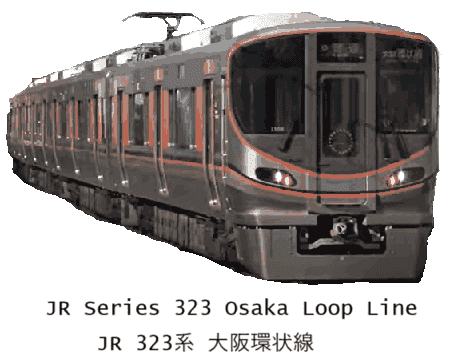
JR Osaka Loop Line (Orange-coloured train) JR大阪環状線(オレンジ色の電車)
The orange Osaka Loop Line train stops at all stations on the Osaka Loop Line. Basically, trains run in a circular manner, but some trains run directly to the JR Sakurajima Line, where Universal Studios Japan (USJ) is located. In the eastern section from Osaka to Tennoji via Kyobashi and Tsuruhashi, the rapid trains described below also stop at each station, but in the section from Osaka to Tennoji via Nishi-Kujo, rapid trains don't stop at Noda Station, Ashiharabashi Station, and Imamiya Station, so Passengers using at these stations must board orange trains. During the daytime, this orange train runs only once every 15 minutes, and if it includes rapid trains, trains are operated every 5 minutes. One round takes about 45 minutes.

Unlike Tokyo, some private railways in Osaka run into the center of Osaka city. As a result of this, Kyobashi Station, the transfer station for the Keihan Railway, and Tsuruhashi Station, the transfer station for the Kintetsu Railway, are not as large as Shibuya, Shinjuku, and Ikebukuro in Tokyo. For traveling within Osaka city, the Midosuji Line mentioned above is more convenient.

 大阪環状線のオレンジ色の電車は、大阪環状線の全ての駅に停車します。基本的には環状運転が行われていますが、一部の列車はユニバーサルスタジオジャパン(USJ)のあるJR桜島線に直通します。大阪から京橋・鶴橋経由の天王寺までの東側の区間では後述する快速電車も各駅に停車しますが、大阪から西九条経由の天王寺までの区間では野田駅・芦原橋駅・今宮駅には快速が停車しないため、これらの駅の利用者はオレンジ色の電車に乗車する必要があります。日中はこのオレンジ色の電車は15分に1本のみ運転されており、快速を含めると電車は約5分間隔で運行されています。一周の所要時間は約45分です。
 大阪の私鉄は東京と異なり一部の私鉄が大阪市内の中心部まで乗り入れています。このことが影響し、京阪電車との乗換駅である京橋駅と近鉄電車との乗換駅である鶴橋駅は東京の渋谷・新宿・池袋ほど規模が大きくありません。大阪市内の移動は先に述べた御堂筋線の方が便利です。

El tren naranja de la línea Osaka Loop Line para en todas las estaciones de la Osaka Loop Line. Básicamente, los trenes circulan de forma circular, pero algunos trenes van directamente a la línea JR Sakurajima, donde se encuentra Universal Studios Japan (USJ). En el tramo este de Osaka a Tennoji vía Kyobashi y Tsuruhashi, los trenes rápidos que se describen a continuación también paran en cada estación, pero en el tramo de Osaka a Tennoji vía Nishi-Kujo, los trenes rápidos no paran en la estación Noda, la estación Ashiharabashi, y la estación Imamiya, por lo que los pasajeros que utilicen estas estaciones deben abordar los trenes naranjas. Durante el día, este tren naranja circula solo una vez cada 15 minutos, y si incluye trenes rápidos, los trenes funcionan cada 5 minutos. Una ronda dura unos 45 minutos.

A diferencia de Tokio, algunos ferrocarriles privados en Osaka llegan al centro de la ciudad de Osaka. Como resultado de esto, la estación Kyobashi, la estación de transferencia del ferrocarril Keihan, y la estación Tsuruhashi, la estación de transferencia del ferrocarril Kintetsu, no son tan grandes como Shibuya, Shinjuku e Ikebukuro en Tokio. Para viajar dentro de la ciudad de Osaka, la línea Midosuji mencionada anteriormente es más conveniente.

 橙色的大阪環狀線電車 在 大阪環狀線的所有車站停靠。電車基本上是 循環運行,但也有部分電車 直接開往 日本環球影城(USJ)所在的JR櫻島線。在大阪 經 京橋、鶴橋 至 天王寺 的東部區間,下述快速火車 也在 各站停靠,但 從 大阪 經 西九條 至 天王寺 的區間,快速火車不停靠 野田站、芦原橋站、和 今宮站,因此在這些車站乘坐的乘客 必須 乘坐 橙色電車。白天,這趟橘色電車 每 15 分鐘一班,如果包含快速火車,則每 5 分鐘一班。一輪大約需要 45 分鐘。

 與東京不同,大阪的一些私人鐵路 通往 大阪市中心。因此,京阪電車的轉乘站 京橋站 和 近鐵電車的換乘站 鶴橋站 的規模 沒有東京的 澀谷、新宿、池袋 那麼大。在大阪市內出行的話,搭乘 上述 御堂筋線 較為方便。

Yamato-ji-kaisoku(Rapid trains for Nara) 大和路快速
The Yamato-ji Rapid is a rapid train that runs directly between the Yamato-ji Line from Nara and the Osaka Loop Line. It is operated by an 8-car train with a white background and brown belt. This train competes with the Kintetsu Railway Nara Line. The time required from Osaka "Minami" to Nara is shorter on the Kintetsu line, but the Yamato-ji Rapid has many users as it connects directly to Tennoji Station and Osaka Station. It does not stop at Imamiya Station, Ashiharabashi Station, and Noda Station.

 大和路快速は奈良からの大和路線と大阪環状線を直通する快速列車です。白地に茶色系の帯を纏った8両編成の電車で運行されています。この電車は近鉄奈良線と競合しています。「ミナミ」から奈良までの所要時間は近鉄の方が短いですが、大和路快速は天王寺駅や大阪駅に直接乗り入れるため多くの利用者がいます。今宮駅、芦原橋駅、野田駅には停車しません。

El Yamato-ji Rapid es un tren rápido que circula directamente entre la línea Yamato-ji desde Nara y la línea Osaka Loop. Es operado por un tren de 8 vagones con fondo blanco y cinturón marrón. Este tren compite con la línea Nara del ferrocarril Kintetsu. El tiempo requerido desde Osaka "Minami" a Nara es más corto en la línea Kintetsu, pero el Yamato-ji Rapid tiene muchos usuarios ya que conecta directamente con la estación Tennoji y la estación Osaka. No para en las estaciones Imamiya, Ashiharabashi y Noda.

 大和寺快速火車 是 從 奈良 出發的 大和路線 和 大阪環狀線 之間 直達的快速火車。它由白色背景、棕色皮帶的 8 節車廂列車運行。該列車與 近鐵奈良線 競爭。近鐵線 從 大阪「南」到 奈良 所需的時間較短,但 大和路快速 由於直接連接 天王寺站 和 大阪站,因此有很多用戶。不停靠今宮站、芦原橋站、野田站。

Kanku Kaisoku(Rapid trains for Kansai Airport) 関空快速
This is a rapid train on the JR Hanwa Line that connects Osaka Kansai International Airport and Osaka City. Most trains are operated as 4-car trains, and from Hineno Station on the Hanwa Line to Osaka City, they connect with the Kishu-ji Rapid train (described below) and enter the JR Osaka Loop Line as 8-car trains. It is operated by a train wearing a blue belt made of stainless steel. If you are boarding from Osaka and accidentally board a Kishu-ji Rapid train, you will need to transfer to a train headed for the correct destination at Hineno Station.

This train competes with the Nankai Main Line, and the Nankai Railway has a shorter travel time, but it has the advantage of running directly to Osaka Station, just like the Yamato-ji Rapid. Like the Yamato-ji Rapid, the train does not stop at Imamiya Station, Ashiharabashi Station, and Noda Station.

 大阪関西国際空港と大阪市内を結ぶJR阪和線の快速列車です。ほとんどの列車が4両編成の電車で運転され、阪和線の日根野駅から大阪市内まで後述する紀州路快速の電車と併結して8両編成の列車としてJR大阪環状線に入ります。ステンレス製の青色の帯を纏った電車で運転されています。大阪方面から乗車の際、あやまって紀州路快速の車両に乗車してしまった際には、日根野駅で正しい行先の電車に移る必要があります。
 この列車は南海本線と競合していて所要時間は南海電車の方が短いですが、大和路快速と同様に大阪駅に直通するのが利点です。列車は大和路快速と同様に今宮駅、芦原橋駅、野田駅には停車しません。

Se trata de un tren rápido de la línea JR Hanwa que conecta el aeropuerto internacional de Osaka Kansai y la ciudad de Osaka. La mayoría de los trenes funcionan como trenes de 4 vagones, y desde la estación Hineno de la línea Hanwa hasta la ciudad de Osaka, se conectan con el tren rápido Kishu-ji (descrito a continuación) y entran en la línea JR Osaka Loop como trenes de 8 vagones. Es operado por un tren que lleva un cinturón azul de acero inoxidable. Si aborda desde Osaka y accidentalmente aborda un tren Kishu-ji Rapid, deberá hacer transbordo a un tren que se dirija al destino correcto en la estación Hineno.

Este tren compite con la línea principal de Nankai, y el ferrocarril de Nankai tiene un tiempo de viaje más corto, pero tiene la ventaja de ir directamente a la estación de Osaka, al igual que el rápido Yamato-ji. Al igual que el Yamato-ji Rapid, el tren no para en las estaciones Imamiya, Ashiharabashi ni Noda.

 這是 連接 大阪關西國際機場 和 大阪市的 JR 阪和線上的 快速火車。火車大多以4節編組列車運行,從 阪和線的 日根野站 到大阪市內,與 紀州路快速(如下所述)連接,以8節編組列車進入 JR大阪環狀線。它由一列佩戴藍色不銹鋼皮帶的火車運行。如果您 從 大阪出發,不小心登上了 紀州路快速火車,則需要在 日根野站 換乘 前往正確目的地的列車。
 該列車與南海本線競爭,南海電鐵的行駛時間 較短,但它的優點是可以像 大和路快速 一樣直達 大阪站。與 大和路快速 一樣,列車不停靠今宮站、芦原橋站、和 野田站。

Kishu-ji Kaisoku(Rapid trains for Wakayama) 紀州路快速
This is a rapid train on the JR Hanwa Line that connects Osaka with Wakayama, a city facing the Pacific Ocean in the southern Kansai region. Most trains are operated as 4-car trains, and from Hineno Station on the Hanwa Line to Osaka City, they connect with the aforementioned Kanku Rapid Train and enter the JR Osaka Loop Line as 8-car trains.

This train also competes with the Nankai Railway Main Line, but while the Nankai train runs along the coast, the Kishu-ji Rapid runs along the mountain side. Regarding the terminal stations in Wakayama City, while the Nankai train departs from Wakayama City Station on the sea side, this train departs from Wakayama Station on the mountain side.
.
 大阪関西圏南部の太平洋に面する都市、和歌山と大阪を結ぶJR阪和線の快速列車です。ほとんどの列車が4両編成の電車で運転され、阪和線の日根野駅から大阪市内まで先述の関空快速の列車と併結して8両編成の列車としてJR大阪環状線に入ります。
 この列車もまた南海本線と競合していますが、南海電車は海沿いを走行するのに対し、紀州路快速は山側を走行します。和歌山市内のターミナル駅も、南海が海側の和歌山市駅を発着するのに対し、この列車は山側の和歌山駅を発着します。

Se trata de un tren rápido de la línea JR Hanwa que conecta Osaka con Wakayama, ciudad frente al Océano Pacífico en la región sur de Kansai. La mayoría de los trenes funcionan como trenes de 4 vagones, y desde la estación Hineno de la línea Hanwa hasta la ciudad de Osaka, se conectan con el tren rápido Kanku antes mencionado y entran en la línea JR Osaka Loop como trenes de 8 vagones.

Este tren también compite con la línea principal del ferrocarril Nankai, pero mientras el tren Nankai corre a lo largo de la costa, el Kishu-ji Rapid corre a lo largo de la ladera de la montaña. En cuanto a las estaciones terminales en la ciudad de Wakayama, mientras que el tren Nankai sale de la estación de la ciudad de Wakayama en el lado del mar, este tren sale de la estación de Wakayama en el lado de la montaña.

 這是連接 大阪 和 關西南部 面向太平洋的城市 和歌山的 JR 阪和線上的快速火車。列車大多以4輛編組列車運行,從阪和線的 日根野站 到大阪市內,與上述 關空快速火車連接,以8輛編組列車進入 JR大阪環狀線。
 該列車也與 南海電鐵本線競爭,但 南海電車沿著海岸行駛,而 紀州寺快速 則沿著山坡行駛。關於 和歌山市的終點站,南海電車 從 靠海的和歌山市站 出發,而這次列車 從 靠山的 和歌山站 出發。
The Limited express trains running on the Osaka Loop Line
大阪環状線を走る特急列車
Los trenes expresos limitados que circulan por la línea Osaka Loop
大阪環狀線運行的 特急火車
Limited express trains "Haruka'' and "Kuroshio'' from the JR Hanwa Line are running on the Osaka Loop Line. When these trains depart from Tennoji Station, they do not stop at the JR Osaka Loop Line stations along the way, and  change tracks to the freight line from Nishi-Kujo Station and reach underground Osaka Station (Kita-Umeda Station). All trains run directly to Shin-Osaka Station, and some trains run to Kyoto Station via the JR Kyoto Line.

When riding a limited express train, you will need to purchase a limited express ticket in addition to your regular ticket.

 大阪環状線にはJR阪和線から特急列車「はるか」「くろしお」が乗り入れます。これらの列車は天王寺駅を出発すると途中のJR大阪環状線の駅には停車せず、西九条駅から貨物線に転線し、地下の大阪駅(北梅田駅)に至ります。すべての列車が新大阪駅まで直通し、一部の列車はJR京都線経由で京都駅まで走行します。
 特急列車に乗車の際には乗車券の他に特急券の購入が必要です。

Los trenes expresos limitados "Haruka" y "Kuroshio" de la línea JR Hanwa circulan por la línea Osaka Loop. Cuando estos trenes salen de la estación Tennoji, no paran en las estaciones de la línea JR Osaka Loop Line a lo largo del camino, sino que cambian de vía a la línea de carga desde la estación Nishi-Kujo y llegan a la estación subterránea de Osaka (estación Kita-Umeda). Todos los trenes van directamente a la estación Shin-Osaka, y algunos trenes van a la estación Kyoto a través de la línea JR Kyoto.

Cuando viaje en un tren expreso limitado, deberá comprar un billete expreso limitado además de su billete normal.

 JR阪和線的 特急火車「遥」和「黒潮」在大阪環狀線運行。這些火車 從 天王寺站出發時,中途不停靠 JR大阪環狀線 車站,而是 從 西九條站 換乘 貨運線,到達 地下 大阪站(北梅田站)。所有列車均直達 新大阪站,部分列車 經由 JR 京都線 前往 京都站。

 搭乘 特急火車時,除了一般車票外,還需要購買特急車票。

Limited Express "Haruka" 特急列車「はるか(遥)」
This is a limited express train that connects Osaka Kansai International Airport in southern Osaka Prefecture with Osaka and Kyoto. Although it is inferior to Nankai Electric Railway's limited express "Rapito'' in terms of travel time, the strength of this train is that it connects directly to Osaka Station, Shin-Osaka Station, and Kyoto Station.

 この列車は大阪府南部の大阪関西国際空港と大阪・京都を結ぶ特急列車です。所要時間では南海電車の特急「ラピート」に劣りますが、大阪駅、新大阪駅、京都駅に直接乗り入れることがこの列車の強みです。

Se trata de un tren expreso limitado que conecta el aeropuerto internacional Osaka Kansai, en el sur de la prefectura de Osaka, con Osaka y Kioto. Aunque es inferior al limitado expreso "Rapito" de Nankai Electric Railway en términos de tiempo de viaje, la ventaja de este tren es que conecta directamente con la estación de Osaka, la estación Shin-Osaka y la estación de Kioto.

 這是 連接 大阪府南部的 大阪關西國際機場 與 大阪 和 京都的 特急火車。雖然在行駛時間上不如 南海電車的特急“Rapito”,但該列車的優點 是 直接連接 大阪站、新大阪站 和 京都站。

Limited express "Kuroshio" 特急列車「くろしお(黒潮)」
This is a long-distance express train that connects Osaka (some trains from Kyoto) via Wakayama to Shingu in southern Wakayama Prefecture. This train goes to Shirahama, a resort area in the Kansai region. In the past, pendulum type trains called 381 series of Japanese National Railways were used, but in recent years they have been replaced with new models. The new trainsets has a low center of gravity structure, and although its curve passing speed is slightly slower than that of a pendulum train, it can pass curves at a faster speed than a regular train. Although the required time has increased slightly compared to the 381 series, the increase in required time has been kept to a minimum.

 大阪から(一部の列車は京都から)和歌山を経由して和歌山県南部の新宮までを結ぶ長距離の特急列車です。この列車は関西圏のリゾート地である白浜を経由します。かつては国鉄型の381系という振り子式列車が使用されていましたが、近年新型車両に取り替えられました。新型車両は低重心構造で、カーブの通過速度は振り子式列車に少し劣りますが、普通列車より速い速度でカーブを通過することができます。381系に比べて所要時間は若干伸びてしまいましたが、所要時間の伸びは最小限に抑えられています。

Este es un tren expreso de larga distancia que conecta Osaka (algunos trenes desde Kioto) a través de Wakayama con Shingu en el sur de la prefectura de Wakayama. Este tren va a Shirahama, una zona turística en la región de Kansai. En el pasado se utilizaban trenes tipo péndulo llamados serie 381 de los Ferrocarriles Nacionales de Japón, pero en los últimos años han sido reemplazados por nuevos modelos. Los nuevos trenes tienen una estructura de centro de gravedad bajo y, aunque su velocidad de paso en curva es ligeramente más lenta que la de un tren pendular, puede pasar curvas a una velocidad más rápida que un tren normal. Aunque el tiempo necesario ha aumentado ligeramente en comparación con la serie 381, el aumento del tiempo necesario se ha mantenido al mínimo.

 這是 連接 大阪(部分火車 從 京都出發)經 和歌山 前往 和歌山縣南部 新宮 的 長途特急火車。這趟列車 前往 關西地區的度假勝地 白濱。過去使用的 是 日本國鐵381系列的擺式列車,但近年來已被新型號取代。新型火車 採用低重心結構,雖然過彎速度比擺式列車略慢,但過彎速度比一般火車更快。儘管與 381 系列相比,所需時間略有增加,但所需時間的增加已保持在最低限度。

Ocean Arrow オーシャンアロー 海洋飛箭
The Ocean Arrow is a pendulum-type limited express train that is still in operation as the limited express Kuroshio, and by tilting its body around curves, it passes at higher speeds than regular trains. Only 18 trains of this type were manufactured, 2 in 6-car configurations and 2 in 3-car configurations. In recent years, motorways have been opened one after another in Wakayama Prefecture, and competition between the limited express Kuroshio and private cars has become fierce.
オーシャンアローは、現在も特急「くろしお」号として運行されている振り子式特急電車で、カーブでは車体を傾けて走行することにより通常の列車よりも高速で通過します。このタイプの電車は6両編成が2本、3両編成が2本の合計18両しか製造されていません。近年は和歌山県内において高速道路の開通が相次いでおり、特急「くろしお」号とマイカーの競合が激しくなっています。
El Ocean Arrow es un tren expreso limitado de tipo péndulo que todavía está en funcionamiento como el expreso limitado Kuroshio, y al inclinar su cuerpo en las curvas, pasa a velocidades más altas que los trenes regulares. Sólo se fabricaron 18 trenes de este tipo, 2 en configuraciones de 6 vagones y 2 en configuraciones de 3 vagones. En los últimos años, se han abierto autopistas una tras otra en la prefectura de Wakayama, y la competencia entre el expreso limitado Kuroshio y los coches privados se ha vuelto feroz.
「海洋飛箭」是 目前仍在運行的 特急「黑潮」的 鐘擺式特急火車,透過在曲線上傾斜車體,以比普通火車 更高的速度通過。此類型火車 僅生產了 18 輛,其中 2 輛為 6 輛編組,2 輛為 3 輛編組。近年來,和歌山縣的高速公路陸續開通,特急黑潮 與 私家車 之間的競爭也日益激烈。
To view the other rail route maps in Osaka Kansai area, let's click or tap here.
その他の大阪関西圏の鉄道線路配線図はこちら

To view the other rail route maps in Japan, let's click or tap here.
その他の日本の鉄道線路配線図はこちら
Leave a Reply